Fungi-Based Construction Materials
Related Ideas
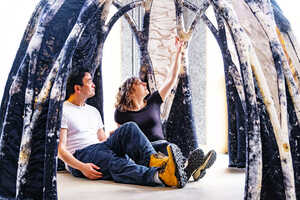
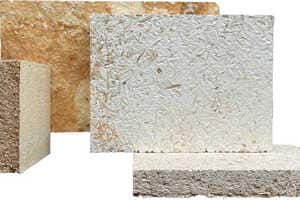
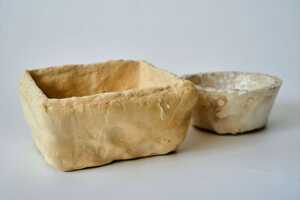
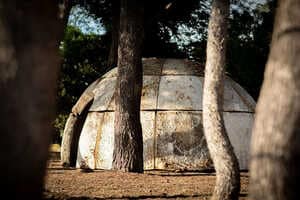
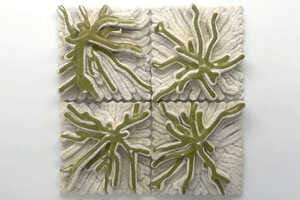
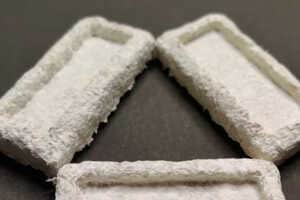

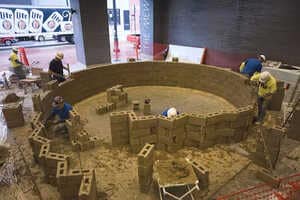
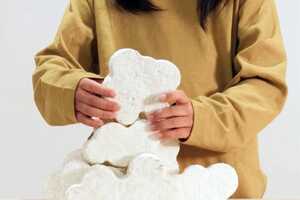
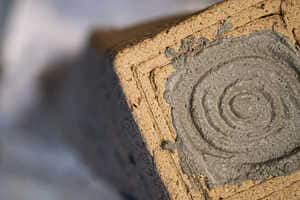
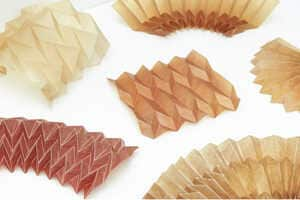
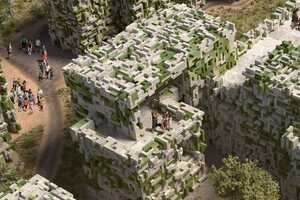
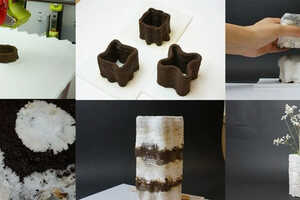
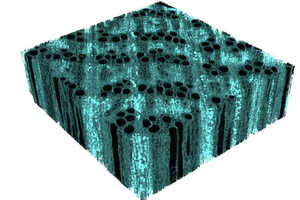
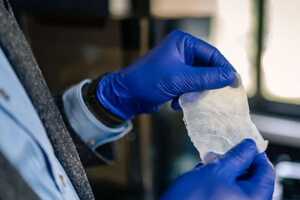
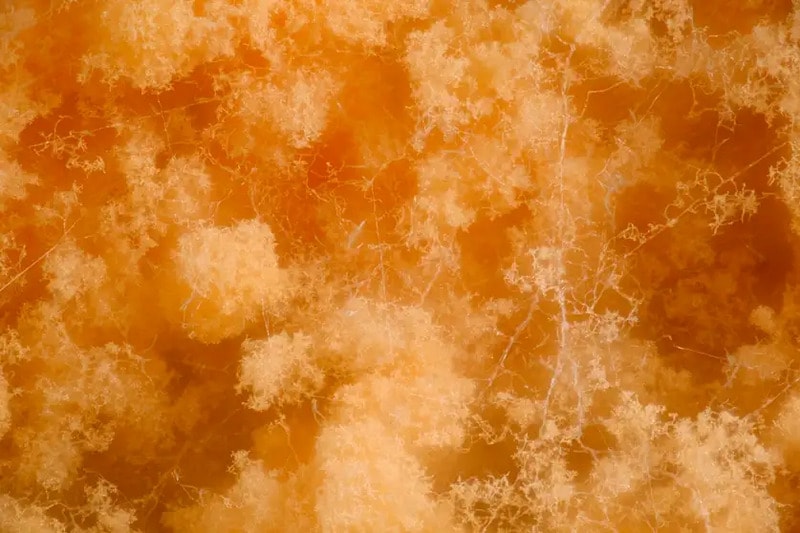
Living materials derived from fungi and bacteria combine fungal mycelium networks with living bacterial components to create structural composites that can grow, self‑repair, and respond to environmental stimuli. Fungal mycelium forms a lightweight, interlocking fibrous matrix when grown on agricultural waste substrates, providing bulk and tensile connectivity, while incorporated bacteria can precipitate minerals, produce binding biopolymers, or alter chemical conditions to increase stiffness and durability. Researchers cultivate these composites into predefined shapes using molds or additive layering, then tune mechanical and functional properties by adjusting species selection, growth conditions, and post‑processing treatments such as drying or mineralization.
Potential applications focus on sustainable building components, temporary shelters, acoustic or thermal insulation, and adaptive facades that exploit the materials’ low embodied energy and ability to be produced from waste feedstocks. Technical and regulatory challenges include achieving consistent load‑bearing performance, controlling moisture and biological activity over service life, meeting fire and building‑code requirements, and developing scalable, economically viable manufacturing processes. Ongoing research priorities are characterizing long‑term durability, standardizing testing protocols, optimizing biological consortia and growth workflows, and assessing lifecycle environmental impacts and end‑of‑life pathways for large‑scale deployment.