carboncapture
Article
Cannabis-Based Building Materials

Image Credit: Shutterstock
Related Ideas





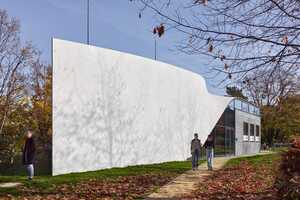
Architects Turn to Hemp for Carbon-Negative Construction
October 30, 2024 - By Grace Mahas
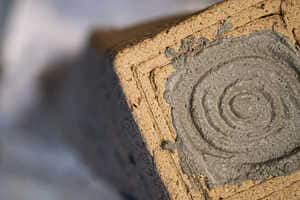
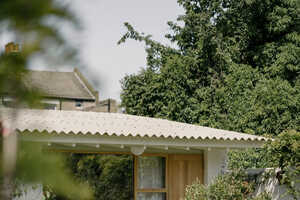
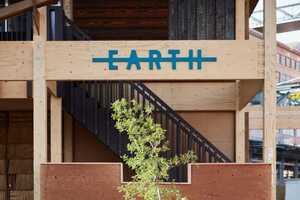
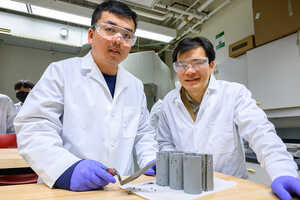
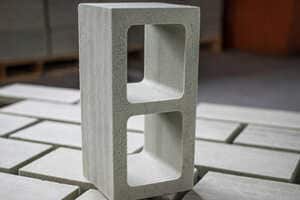
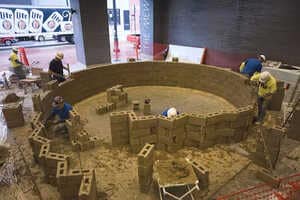
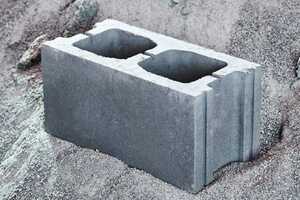
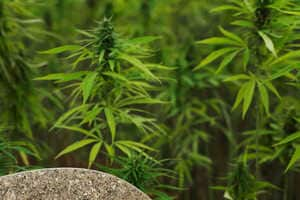
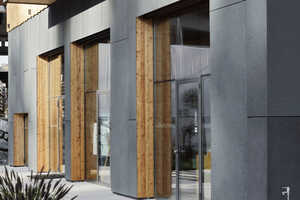
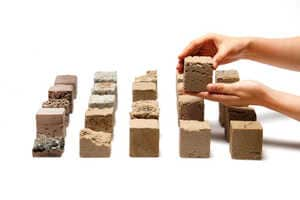
The construction industry is embracing an unexpected ally in its quest for sustainability: hemp. This versatile plant is being transformed into "hempcrete," a carbon-negative building material that's challenging traditional construction methods. Created by mixing hemp shiv - the woody core of hemp stalks - with lime powder and water, this innovative material is proving particularly effective for internal walls and insulation, with recent applications extending to larger structures like a pioneering 12-story hotel.
Hempcrete's environmental impact is remarkable - the hemp plant captures twice the CO2 of trees during growth, and the finished material continues its ecological benefits by providing superior insulation that can reduce building energy costs by 15%. This natural alternative addresses concrete's significant environmental toll, which currently accounts for 39% of global energy-related carbon emissions. As the construction industry seeks to reduce its environmental footprint, hempcrete represents a renewable solution that not only sequesters carbon but also offers enhanced moisture control and thermal regulation properties.
References: thecooldown