Fish Skin-Derived Biofilms
Related Ideas
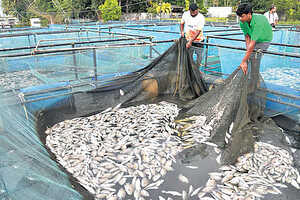

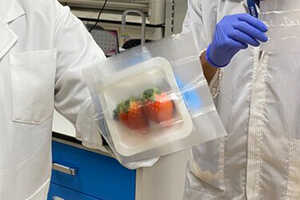


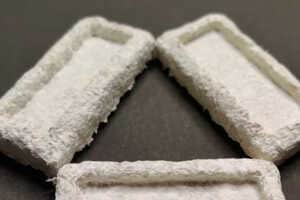





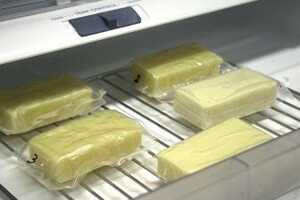








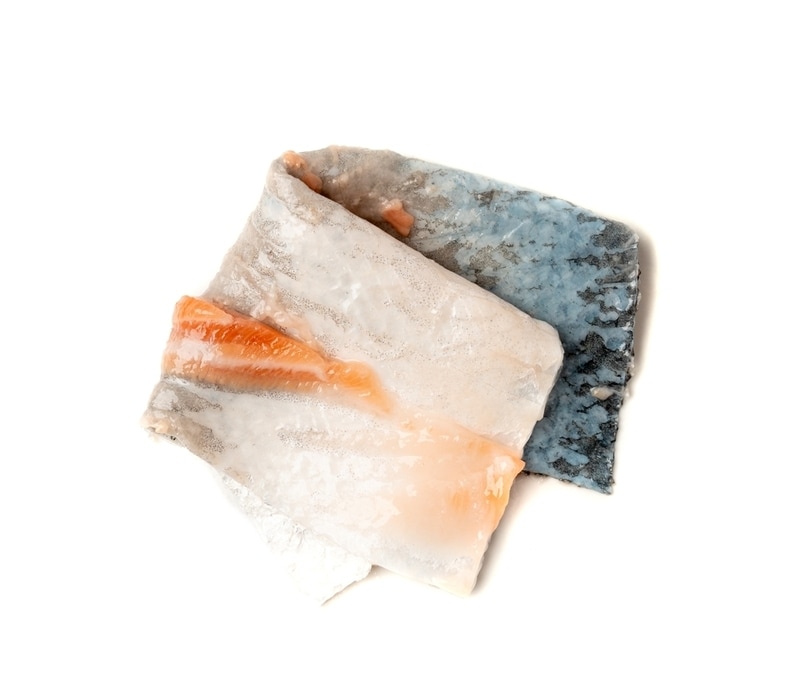
Researchers at the University of São Paulo (USP), in collaboration with EMBRAPA Pecuária Sudeste, are developing a biodegradable food packaging material derived from an unexpected source: fish skin. The project uses the skin of the tambatinga fish, a fast-growing Amazonian species widely farmed in aquaculture, to create a bio-based alternative to petroleum-derived plastic packaging.
Tambatinga fish skin is rich in collagen and protein, making it well-suited for producing gelatin with strong functional properties. Rather than treating the skin as waste, the research team is converting it into a biopolymer film for food packaging. Early testing has shown that the material is transparent, flexible, and uniform—key requirements for commercial packaging applications.
For businesses in food production and packaging, the research highlights the potential of turning aquaculture byproducts into high-value materials. The approach not only reduces reliance on fossil-based plastics but also creates new revenue opportunities from waste streams, supporting more circular and sustainable packaging models.