carboncapture
Article
Carbon Profile-Altering Materials
Image Credit: Piyawan Charoenlimkul / Shutterstock.com
Related Ideas

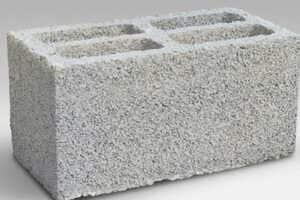
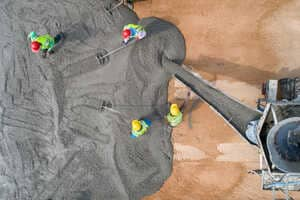


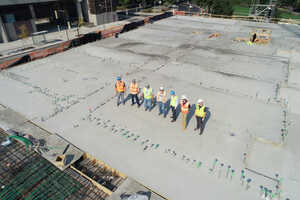
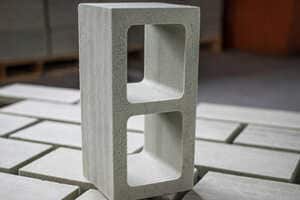




Researchers Alter Cement to Create a Carbon-Negative Formula
October 27, 2025 - By Colin Smith
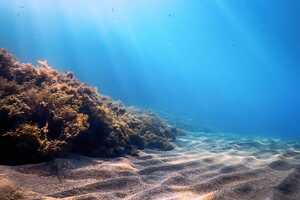
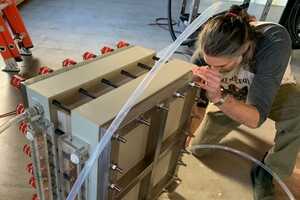
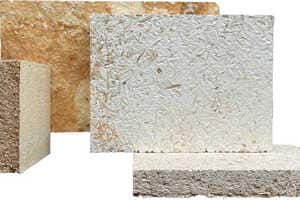
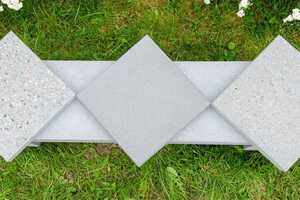
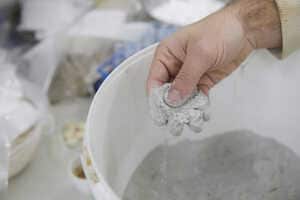
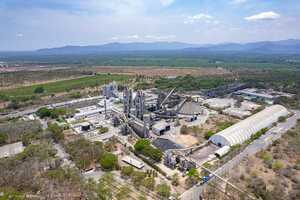
Researchers at Northwestern University reported the development of a carbon-negative construction material produced from seawater that could alter the carbon profile of cement and concrete production. The material is derived by extracting dissolved ions from seawater and converting them into a solid carbonate-based binder through a process that captures and sequesters CO2 during formation. Unlike traditional Portland cement, whose production emits large volumes of CO2 through calcination of limestone and fuel combustion, the seawater-derived binder incorporates atmospheric or process CO2 into stable mineral forms, creating a net CO2 removal pathway embedded within building materials.
The research frames the material as a potential substitute or complementary binder for concrete applications, with implications for lowering lifecycle emissions of buildings and infrastructure if integrated at scale. Technical and commercial considerations remain, including establishing manufacturing scale, assessing long-term durability and performance in standard structural applications, evaluating energy and resource intensity of the extraction and conversion process, and addressing regulatory and standards acceptance. Environmental and supply-chain factors such as local seawater chemistry, potential ecosystem impacts of large-scale seawater use, and cost-competitiveness relative to established cement production will determine the material’s practical adoption and its net climate benefit.
References: mccormick.northwestern.edu