carboncapture
Article
Mass-Produced Direct-Air Capture Systems
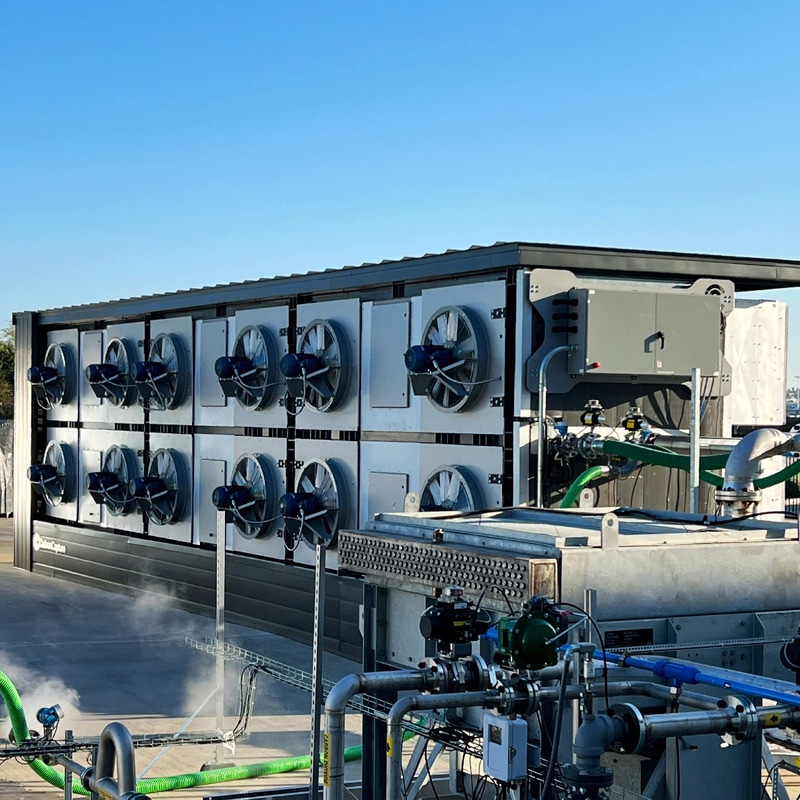
Image Credit: CarbonCapture Inc
Related Ideas







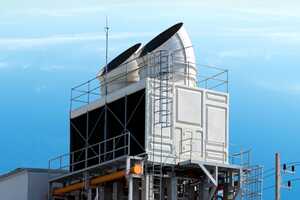


CarbonCapture Inc Showcased its First Mass-Producible DAC
June 19, 2025 - By Colin Smith
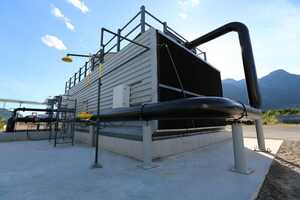
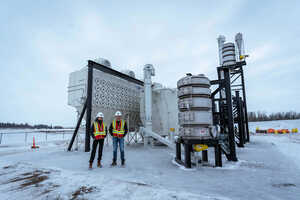
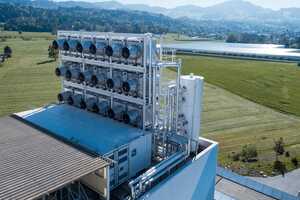
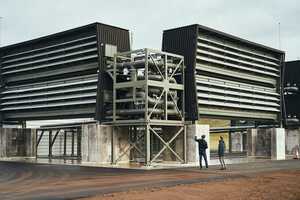
The Leo Series, developed by CarbonCapture Inc., represents the first U.S. direct air capture (DAC) system engineered for mass production. Each module in the series is designed with modularity in mind and is comparable in size to standard shipping containers, which facilitates global transport and scalable deployment. The system is composed of 12 reactors per module and is capable of capturing over 500 tons of carbon dioxide from the atmosphere annually, with a verified extraction purity of 98%. Its open systems architecture enables the integration of newer, high-capacity sorbents as they become available, thereby extending the module’s operational lifespan and providing cost-saving upgrades over time.
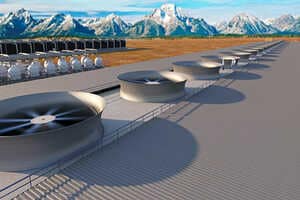
The manufacturing strategy for the Leo Series is supported by a new high-volume facility located in Mesa, Arizona, which is designed to produce up to 4,000 modules per year—equating to over two megatons of annual carbon removal. Scheduled for deployment in 2025, this system is positioned to meet the growing demand for industrial decarbonization solutions and is offered to developers of carbon removal projects worldwide. This approach underscores a transition from laboratory-scale research to large-scale field applications, emphasizing both operational efficiency and reduced long-term costs within the broader context of sustainable practices.
References: carbonherald & carboncapture