carboncapture
Article
3D-Printed Living Materials
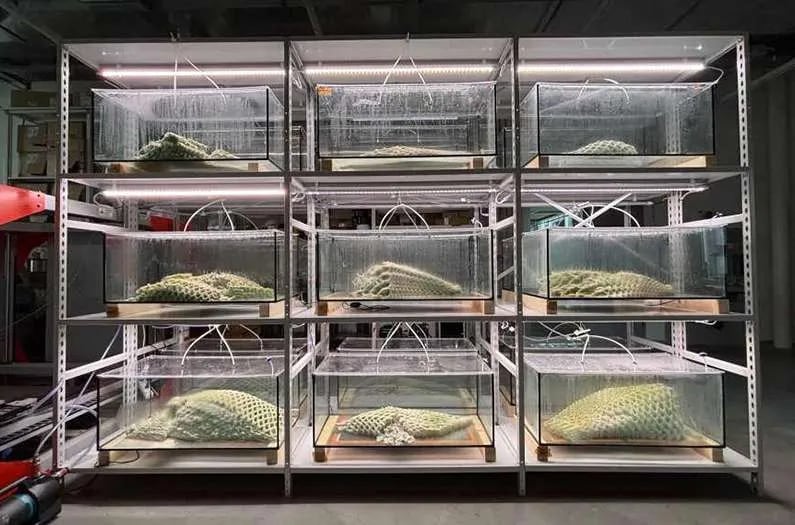
Image Credit: ETH Zurich
Related Ideas



Researchers Created 3D-Printable Durable Biomaterial for Construction
October 27, 2025 - By Colin Smith
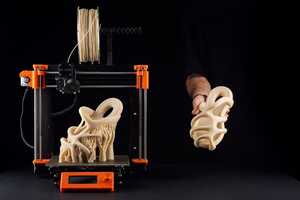
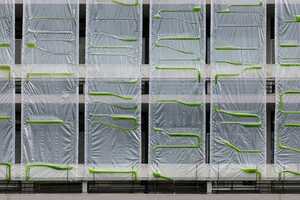
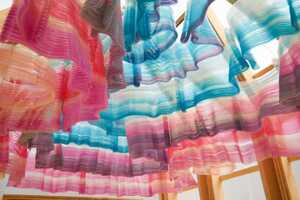
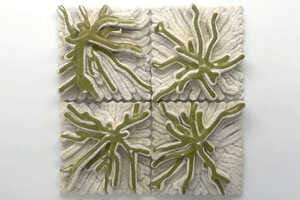
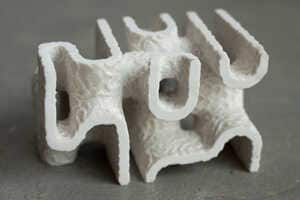
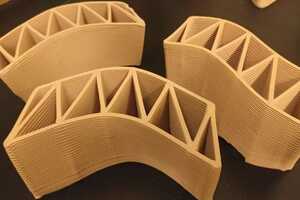
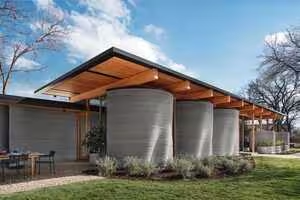
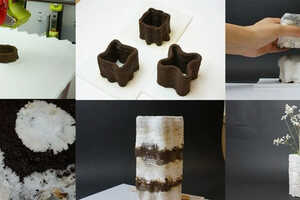
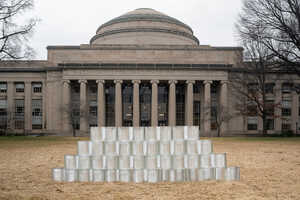
Researchers at ETH Zurich developed a 3D-printable living material that embeds photosynthetic cyanobacteria within a hydrogel matrix to capture and store atmospheric carbon dioxide while growing and hardening over time. The cyanobacteria absorb light and CO2, convert a portion of the carbon into biomass, and precipitate calcium carbonate minerals that increase structural rigidity; the polymeric hydrogel network permits passage of light, gases, water, and nutrients to sustain biological activity and permit printing into geometries that maximise surface area and exposure.
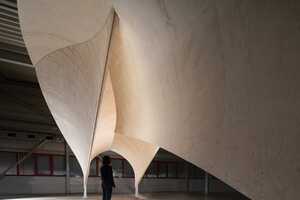
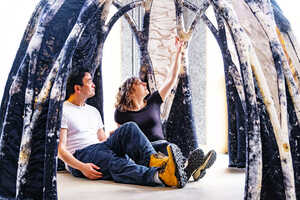
Laboratory demonstrations showed the printed structures remain biologically active for over a year and progressively harden as mineralization proceeds, with measured uptake of approximately 26 mg of CO2 per gram of material over 400 days and prototype installations capable of binding carbon at rates comparable to a mature tree per year in isolated examples. Ongoing considerations for practical deployment include scaling production, quantifying long‑term mechanical performance and stability in built environments, integrating with construction workflows, and assessing lifecycle impacts and regulatory acceptance for use in buildings or infrastructure.
References: anthropocenemagazine.org & ethz.ch