Microplastic Detection Breakthroughs
Related Ideas



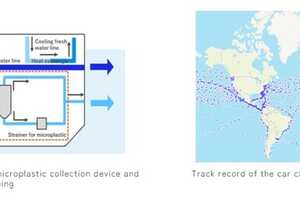

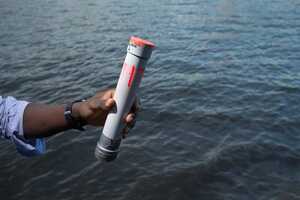













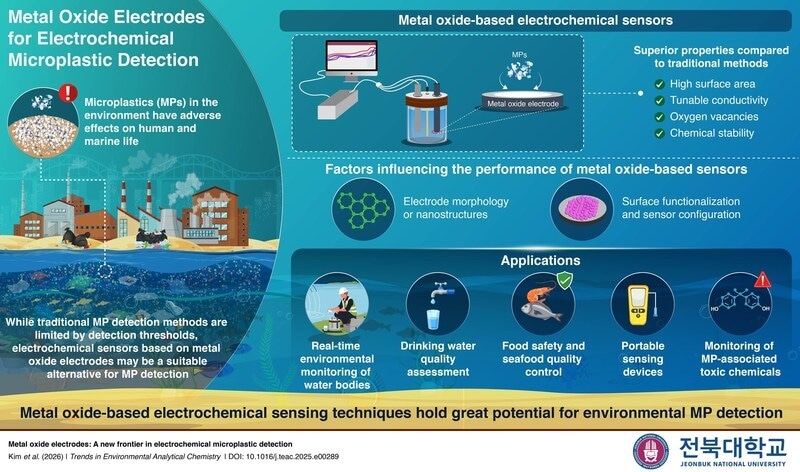
Microplastic detection is becoming increasingly important as plastic pollution continues to threaten aquatic ecosystems and potentially impact human health. Tiny plastic particles can accumulate in oceans, rivers, and lakes, where they may be ingested by marine organisms and enter the food chain. Identifying these particles quickly and accurately is essential for effective environmental monitoring.
Traditional detection methods, such as Fourier transform infrared (FTIR) spectroscopy, are reliable but often require costly equipment, complex sample preparation, and lengthy processing times. These challenges limit their use in real-time or field-based applications.
Researchers led by Professor Sadia Ameen at Jeonbuk National University in the Republic of Korea have reviewed emerging alternatives, focusing on electrochemical sensing technologies that use metal oxide electrodes. These methods offer a faster, more affordable, and sensitive approach to identifying microplastics.