Night Sky Energy Systems

Related Ideas
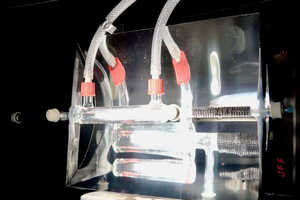












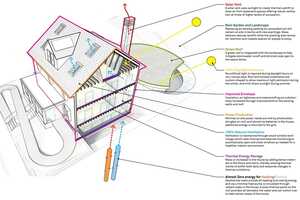
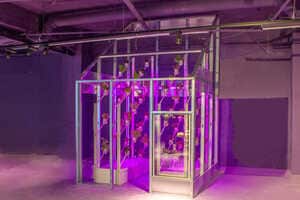


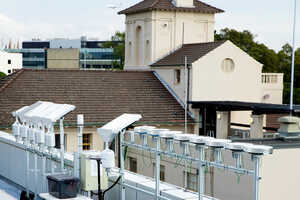
The device couples a Stirling‑type heat engine with a radiative cooling surface that emits thermal radiation to the night sky, creating a small but usable temperature differential that drives the engine’s cycle. The research team reports that the concept can produce continuous mechanical power on clear nights without fuel or sunlight, using passive radiative heat loss to space as the cold sink and ambient ground or air as the warm source; the prototype illustrates how established thermodynamic cycles can be adapted to nocturnal energy harvesting.
The investigators highlight potential applications for low‑power, off‑grid tasks, such as ventilating greenhouses, driving small fans, or powering sensors and micro‑electronics where daytime solar is unavailable or insufficient. Experimental results indicate the approach can deliver milliwatts to microwatts of power under favorable conditions, and the authors discuss scalability limits, site‑dependence on clear skies, and integration with thermal storage or hybrid systems to increase utility. The study frames the radiative engine as a complementary technology to solar generation that could extend renewable energy availability into night hours for specific, low‑power use cases while noting that broader deployment would require improvements in power density and system integration.