carboncapture
Article
Carbon-Storing Building Materials
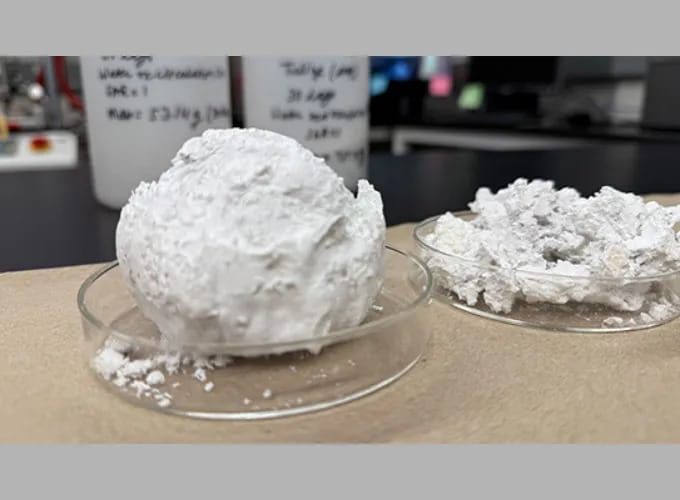
Image Credit: Northwestern University
Related Ideas










Northwestern Develops CO2-Storing Materials
March 30, 2026 - By Mursal Rahman
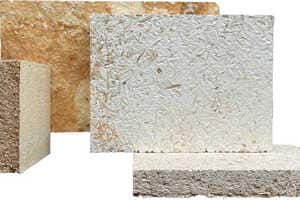
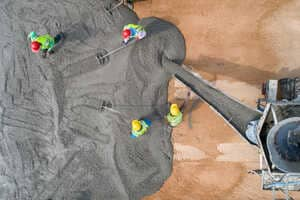
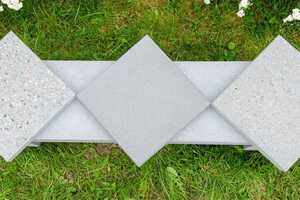
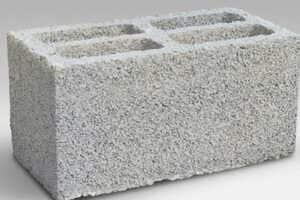
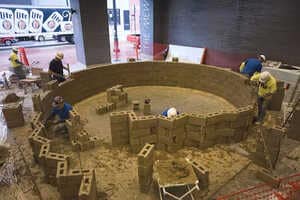
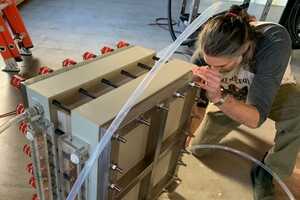
Researchers at Northwestern University have developed carbon-storing building materials using seawater, electricity and carbon dioxide. The process applies a low electrical current to seawater, triggering chemical reactions that form solid minerals such as calcium carbonate and magnesium-based compounds. These materials can store significant amounts of CO2 while being shaped into powders or aggregates for use in construction.
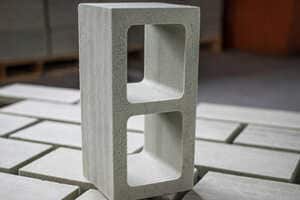
By adjusting the electrical input and CO2 flow, the team can control the material’s structure and composition, enabling applications across concrete, cement and coatings. As a potential alternative to sand and gravel, the material also addresses growing concerns around resource extraction.
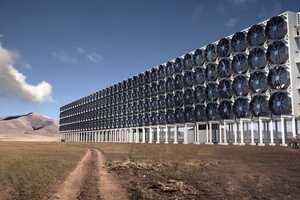
This approach signals a shift toward construction materials that integrate carbon capture directly into production. It may influence how building supply chains reduce emissions while creating new opportunities for scalable, lower-impact infrastructure solutions.
References: advanced.onlinelibrary.wiley