carboncapture
Article
Low-Carbon Materials Programs
Image Credit: TITAN Group
Related Ideas



TITAN Group Invested in New Ponded Fly Ash Facilities
March 11, 2026 - By Colin Smith
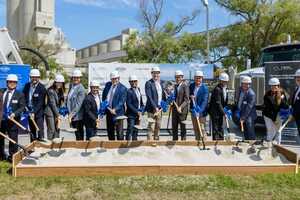
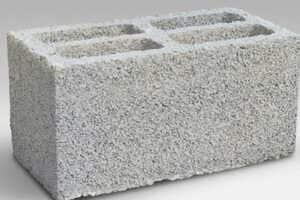
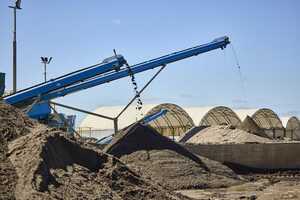
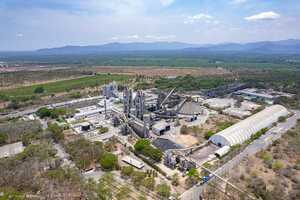
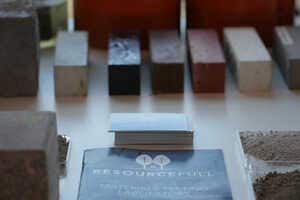
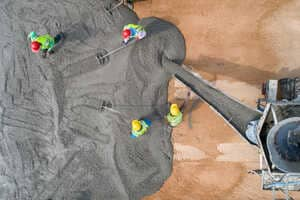
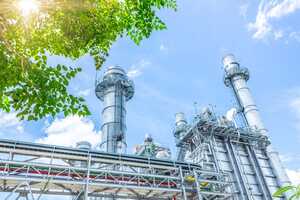
TITAN Group has announced the development of a new ponded fly ash processing facility and a clean material construction program at the former Fiddler’s Ferry Power Station site. According to the company, the investment will enable the recovery and reuse of legacy fly ash deposits for the production of low carbon construction materials. The facility is intended to support the circular use of industrial byproducts by converting stored ash into high quality components for cement and concrete manufacturing. TITAN stated that this approach will help reduce reliance on virgin raw materials while lowering the carbon intensity of construction supply chains.
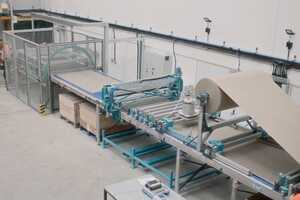
The broader clean material construction program will integrate advanced processing technologies, research partnerships, and product development initiatives to expand the availability of sustainable building materials. The company noted that the platform is designed to meet growing demand for low carbon alternatives as the construction sector adapts to regulatory and market pressures related to emissions reduction. By repurposing the former power station site for materials innovation, TITAN aims to contribute to regional economic redevelopment while supporting long term decarbonisation objectives within the built environment.
References: businesswire