Organic Food Experiences

Related Ideas




















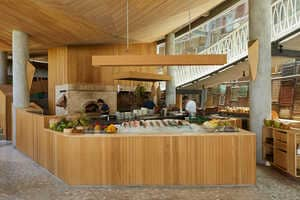
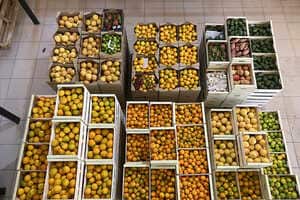
Bali’s evolving tourism strategy places organic food experiences at the center of a more sustainable and locally rooted hospitality model. By prioritizing farm-to-table dining and locally sourced ingredients, the island reduces food miles while supporting regional agriculture and small-scale producers.
This emphasis on organic cultivation and permaculture practices not only enhances environmental sustainability but also reinforces food system resilience. Culinary offerings are increasingly designed to reflect seasonal availability and traditional methods, strengthening connections between tourism, culture, and land stewardship.
Beyond environmental impact, these initiatives contribute to community-based economic development by empowering local farmers, artisans, and food entrepreneurs. Sustainable dining is further supported by waste reduction efforts, including composting and the minimization of single-use plastics within hospitality settings. Integrated into Bali’s broader eco-tourism framework, organic culinary experiences exemplify a regenerative approach—where tourism actively sustains local ecosystems, preserves cultural identity, and fosters long-term economic and environmental balance.