Recycled Bacteria-Made Drugs
Related Ideas







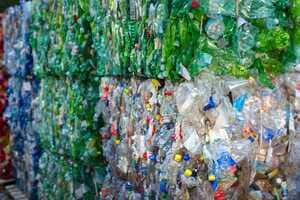
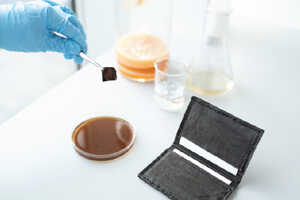
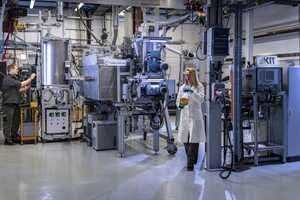
Researchers at the University of Edinburgh have developed a method that converts plastic waste into a treatment used for Parkinson’s disease, demonstrating the potential of an emerging process known as bio-upcycling.
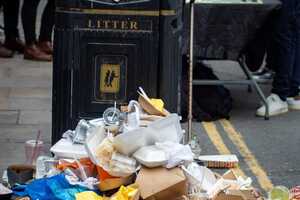
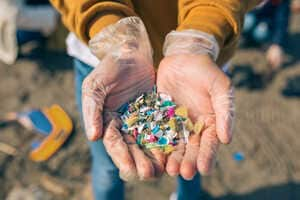
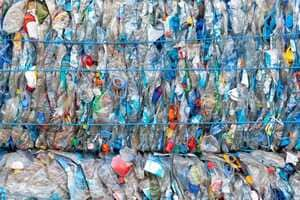
The biotechnology team successfully produced Levodopa by using components derived from discarded plastic as the starting material. To achieve this, the researchers first broke down Polyethylene terephthalate—a common plastic used in food and beverage packaging—into its base compounds. These compounds were then fed to genetically engineered Escherichia coli, which converted them into L-DOPA via a biological synthesis process.
The study represents the first demonstration of a natural biological system transforming plastic waste into a pharmaceutical used to treat a neurological condition, highlighting new possibilities for combining waste recycling with drug manufacturing.