Kenyan Electric Mobility Policies
Related Ideas
















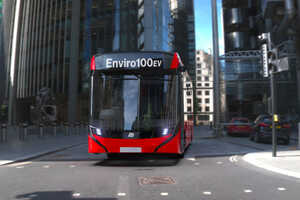


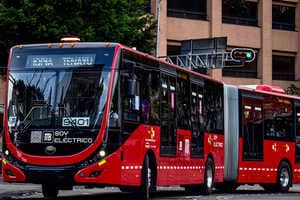
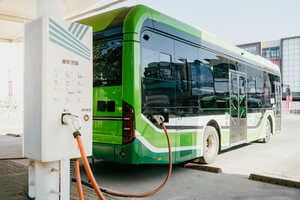
Kenya has launched its National Electric Mobility Policy, marking a significant step in the country’s efforts to transition toward a cleaner and more efficient transport system. According to the Ministry of Roads and Transport, the policy aims to reduce reliance on imported petroleum, which accounted for KShs. 628.4 billion in imports in 2023. The policy outlines a framework for the adoption and regulation of electric mobility across all transport modes and is supported by new incentives, including zero rated VAT and reduced excise duty on electric buses, bicycles, motorcycles and lithium ion batteries. The government also introduced green reflective number plates for fully electric vehicles as part of the initiative.
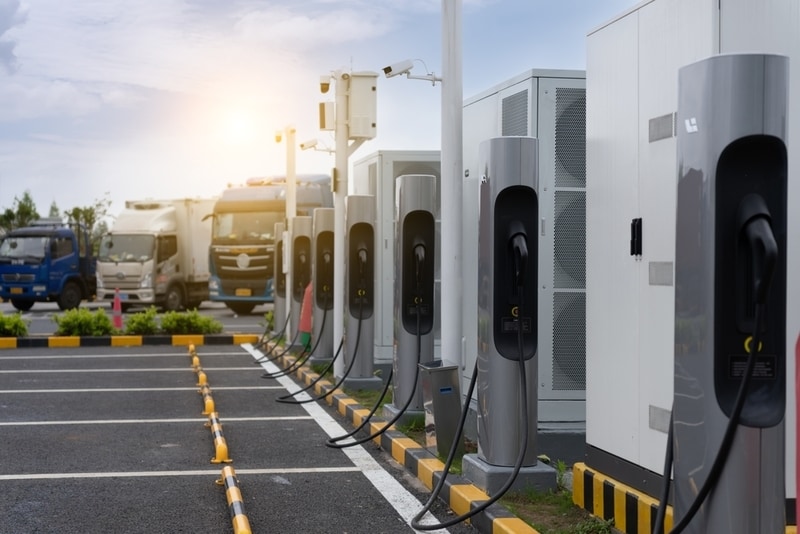
The policy is designed to strengthen institutional coordination, encourage private sector participation and promote investment in the broader e mobility ecosystem. Kenya had registered 39,324 electric vehicles by 2025, reflecting rapid growth driven by increased product availability and financing options. The government is developing a National Electric Mobility Strategy to guide implementation, supported by international partners such as the European Union, Germany, the United Kingdom, the International Finance Corporation and the University of California, Davis. Officials noted that expanding charging infrastructure beyond Nairobi and increasing local assembly capacity will be key to meeting rising demand. The policy aligns with national goals to reduce emissions, improve air quality and leverage Kenya’s renewable energy resources to support economic growth.