The Future of Seafood Choices in Canada
Related Ideas




















With Earth Month 2026 almost over, new data from Marine Stewardship Council (MSC) Canada highlights a growing tension at the grocery store: affordability versus sustainability. According to a recent Leger survey, 62% of Canadians feel conflicted about prioritizing cost over environmentally friendly choices, while 72% say high prices are limiting their ability to shop sustainably.
To unpack what this means for consumer behavior, and how shoppers are balancing budget constraints with planet-friendly decisions, we spoke with MSC collaborator and Canada’s “Food Professor,” Sylvain Charlebois. Alongside insights from MSC Canada, this conversation explores how Canadians are adapting their habits in an era of rising food costs.
Sylvain Charlebois is an independent and volunteer MSC collaborator and did not receive compensation or an honorarium for sharing his thoughts and insights on this data.
With 72% of Canadians saying affordability limits their ability to make sustainable food choices, are we entering a new era where sustainability becomes a luxury?
We’re already there. Sustainability, for many households, has shifted from being a baseline expectation to a discretionary feature. When nearly half of Canadians prioritize affordability above all else at the grocery store, anything that carries even a perceived premium—organic, local, certified—risks being sidelined. It’s not that Canadians don’t care. It’s that budgets are dictating values in real time.
The data shows 62% feel conflicted about choosing price over sustainability. What does this reveal about evolving consumer values?
It tells us Canadians haven’t abandoned their principles—they’re negotiating with them. There’s a growing cognitive dissonance at the shelf. People want to do the “right thing,” but the price tag forces trade-offs. That tension is actually a sign of mature consumer awareness. The problem isn’t values—it’s purchasing power.
What are the most noticeable changes Canadians are making in their grocery habits as food prices continue to rise?
We’re seeing a clear shift toward pragmatism: more frequent shopping trips, greater reliance on flyers and promotions, trading down to private labels, and less brand loyalty overall. Protein choices are also shifting—more ground meats, less premium cuts. And importantly, consumers are becoming far more strategic. The grocery store is no longer a passive experience; it’s a calculated exercise.
Sustainable seafood is often seen as a premium option. How are higher grocery costs affecting demand for wild-caught, certified products?
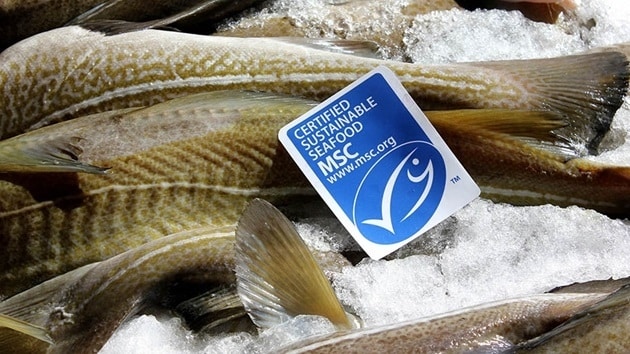
Demand is softening at the margins. Certified and wild-caught products still attract committed buyers, but the casual consumer is stepping back. When salmon or shrimp carries a sustainability label and a higher price, many shoppers default to the cheaper alternative. That said, Canada still has strong trust in its seafood sector, especially in regions like Atlantic Canada, which helps cushion the drop.
Kurtis Hayne, Director, MSC Canada also adds, "If continuing to buy seafood is a priority, certified products are available at a variety of price points in Canadian grocery stores. Shopping frozen and shelf-stable formats helps minimize waste and can be quite price competitive — especially private label options. Expanding your list to include a wider range of fish and seafood species can also help you shop sustainably and within budget."
What strategies are consumers using to balance tighter budgets with their desire to make environmentally responsible choices?
They’re prioritizing selectively. Instead of going “all-in” on sustainability, consumers are choosing a few categories where it matters most to them—maybe eggs, maybe seafood—and compromising elsewhere. Others are reducing food waste, which is arguably one of the most impactful sustainability actions available. Eating more plant-based meals—often out of necessity rather than ideology—is also part of the adjustment.
Is sustainable eating always more expensive, or are there common misconceptions that need to be challenged?
There are definitely misconceptions. Sustainable doesn’t always mean expensive. Pulses, seasonal produce, and reducing waste are all sustainable behaviors that can actually lower your grocery bill. The issue is perception—and marketing. Sustainability has been branded as premium for years, and now we’re seeing the consequences of that positioning.
How are grocers and food brands responding to this growing tension between affordability and sustainability?
They’re trying to thread a very difficult needle. On one hand, they continue to invest in sustainability commitments. On the other, they’re under pressure to deliver value. What we’re seeing is more “quiet sustainability”—incremental changes in sourcing, packaging, and logistics that don’t necessarily show up as a price premium. But make no mistake: when margins are tight, affordability wins at retail.
Do you see this trend creating a divide in who can realistically participate in sustainable consumption?
Absolutely. We’re witnessing the emergence of a two-speed food economy. Higher-income households can continue to align purchases with their values, while others are forced into a more price-driven reality. That divide has implications not just for consumption, but for how we design food policy. If sustainability isn’t inclusive, it won’t scale.
For Canadians heading into Earth Month, what are the most practical ways to shop more consciously without significantly increasing their grocery bill?
Start with waste—plan meals, use what you buy, freeze what you won’t use. Buy seasonal and local when prices are competitive. Don’t underestimate plant-based proteins like lentils and beans—they’re both affordable and sustainable. And finally, don’t chase labels blindly. Conscious consumption isn’t about perfection; it’s about making better decisions within your means.