20 Zero-Waste Food Innovations



Related Ideas











Zero-waste food innovations are gaining significant momentum and reflect a growing consumer and industry commitment to reducing environmental impact across the entire food system. Rather than focusing solely on packaging, brands and retailers are rethinking how food is produced, distributed, and consumed to minimize loss at every stage.
Waste-reduction grocery models, carbon-neutral food platforms, and sustainable private-label lines illustrate how retailers are embedding circular practices directly into everyday shopping experiences. Tesco’s new UK zero-waste stores are a standout in this space and aim to reduce food waste through dynamic pricing for near-expiry items, digital stock tracking to match demand, and expanded use of bulk bins and reusable packaging.
On the production side, zero-waste dairy solutions, and organic food expansions are helping improve efficiency while lowering resource use. Additionally hydroponic gardening systems are being reinvented with examples like Edible Garden AG’s USDA-certified organic hydroponic basil with living, root-on plants. The system is designed to reduce food waste and uses up to 90% using less water to meet consumer demand for transparent, eco-friendly produce.
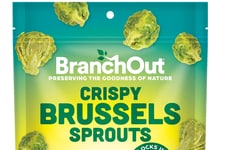
Meanwhile, upcycled ingredients, such as oils, snacks, and plant-based proteins made from surplus or overlooked produce, are transforming food waste into value-added products that appeal to sustainability-minded consumers without compromising taste or quality.
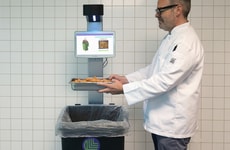
Foodservice has also played a critical role, with ethical, veggie-forward restaurants and zero-waste menus demonstrating how culinary creativity can support environmental goals. Complementing these efforts, AI-powered waste tracking tools and compostable labeling and packaging innovations are enabling more accurate measurement and reduction of food loss at home and across restaurants.
Together, these developments highlight a systemic shift toward circular food systems, where waste is no longer an inevitability, but a design challenge actively being solved.