Understanding Carbon Sequestration in Simple Terms

Related Ideas


















Carbon sequestration might sound like a technical concept, but at its core, it simply means capturing carbon dioxide (CO₂) and storing it so it doesn’t build up in the atmosphere.
To understand how this works, imagine the atmosphere as a bathtub slowly filling with water. The water represents carbon emissions from factors like cars, factories, and energy use, and carbon sequestration acts like the drain, removing some of that excess to prevent overflow.
Carbon sequestration refers to storing carbon in natural or engineered systems such as forests, soil, oceans, or underground rock formations. According to the U.S. Geological Survey, it plays a key role in reducing greenhouse gas concentrations and stabilizing the climate.
The Two Main Types of Carbon Sequestration
Natural sequestration is happening continuously, with trees absorbing CO₂ through photosynthesis, and storing carbon in their trunks, leaves, and roots. Forest ecosystems are among the most effective carbon sinks, while soils can store significant amounts of carbon when managed using regenerative practices. The National Library of Medicine also highlights soil as one of the largest terrestrial carbon reservoirs.
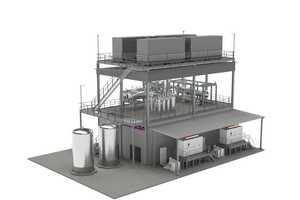
Technological sequestration involves engineered solutions. This includes capturing CO₂ from industrial emissions or directly from the air, then storing it underground in geological formations or embedding it into materials like concrete. The International Energy Agency (IEA) identifies carbon capture and storage as a critical tool for reaching net-zero targets.
Why It Matters
Even if we reduce emissions drastically, there is already excess carbon in the atmosphere from decades of industrial activity, and removing it is a step toward meeting climate goals. However, sequestration isn’t a perfect solution.
Natural systems can be disrupted by deforestation or climate impacts, and technological methods can be costly and energy-intensive. That’s why experts stress combining approaches.
In simple terms, carbon sequestration is about restoring balance and removing carbon as we emit it. It’s not a single fix, but it’s a critical part of the broader climate solution toolkit.