Passenger Rail Service Expansions
Related Ideas
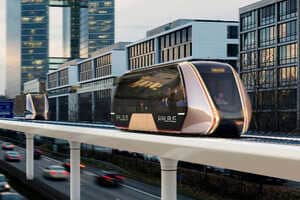
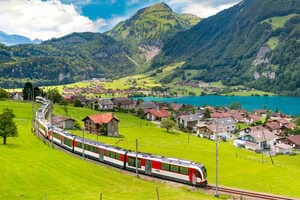
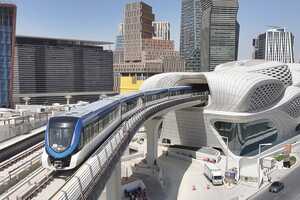
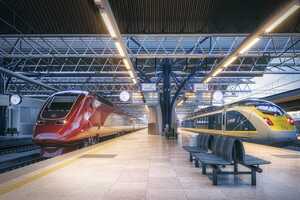
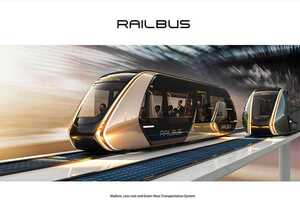
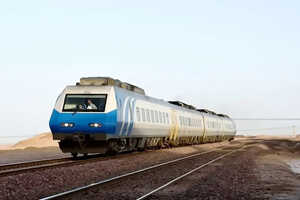
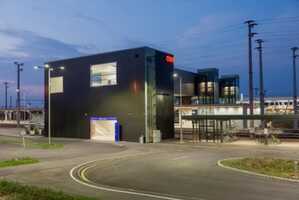



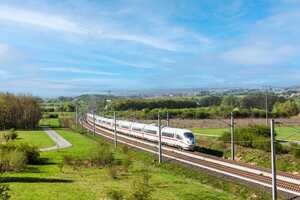


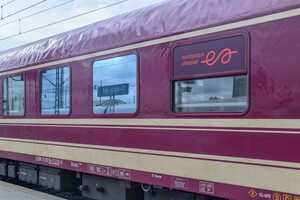
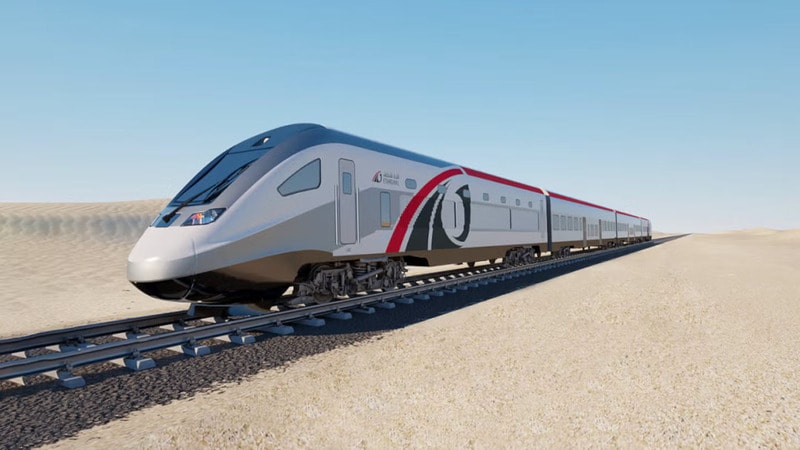
Etihad Rail is expanding its national network to provide passenger and freight connectivity across the United Arab Emirates, including a recent passenger demonstration between Dubai and Fujairah and plans to link 11 cities from Al Sila to Fujairah as part of the country’s sustainable transport strategy.
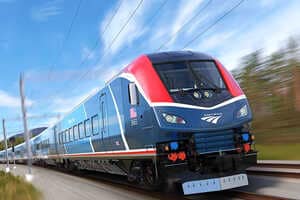
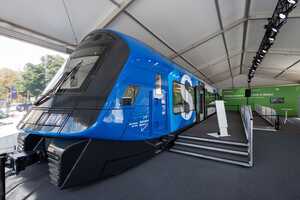
Etihad Rail has progressed from a freight corridor to a broader national rail programme that now includes demonstration passenger services between Dubai and Fujairah and an articulated plan to connect 11 cities across all seven emirates, establishing a continuous east–west and north–south backbone for the UAE’s transport system. The project is presented as a strategic infrastructure element intended to support economic diversification, reduce road congestion, and provide a lower‑emission alternative for intercity travel. Recent public demonstrations and official journeys have been used to validate operational concepts, showcase station and rolling stock readiness, and signal a move toward commercial passenger operations in the near term. The programme is being positioned alongside national sustainability objectives and is described by stakeholders as a means to integrate freight logistics with passenger mobility, improve regional accessibility, and support tourism and business travel flows across emirates.
The expansion carries several implementation and policy implications for transport planning and urban development. Delivering the full network will require coordinated investment in station infrastructure, multimodal last‑mile connections, and integrated ticketing and scheduling to ensure rail services complement existing road and air links rather than duplicate them. Operationalizing passenger services will also necessitate regulatory frameworks for safety and interoperability, workforce training, and commercial models that balance freight and passenger priorities. From a systems perspective, the rail network could enable modal shift and emissions reductions if supported by electrification, renewable energy sourcing, and policies that encourage public uptake; however, realizing those benefits depends on detailed route feasibility, phased commissioning, and alignment with land‑use planning to concentrate development around stations and maximize ridership.