Benchtop Laser Fusion Reactors
Related Ideas








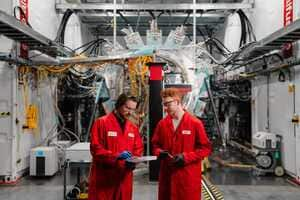
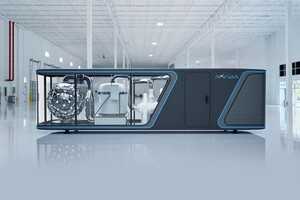
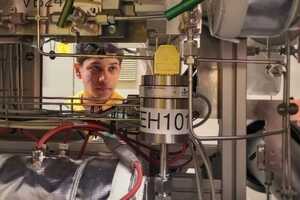
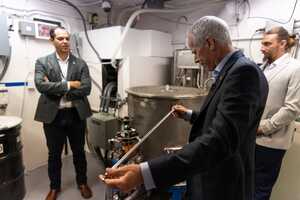
Cambridge Heavy Industries emerged from stealth with a $6.2 million seed round to build its first compact fusion reactor in Massachusetts. The MIT spinout uses commercial lasers to create extreme pressures and temperatures. A prototype the size of two dinner tables reached 350 GPa with only tens of millijoules of energy.
The first systems will produce tritium, a rare hydrogen isotope used by most fusion research reactors and selling for about $33 million per kilogram. Compact dimensions enable weekly testing and upgrades with off-the-shelf equipment, rather than years-long research cycles.
As fusion developers face a tritium supply shortage, Cambridge Heavy signals that compact, fast-iterating machines could supply scarce fuel isotopes and neutron sources, easing a bottleneck for the sector while the technology advances toward fusion power.