Solar Storage Partnerships
Related Ideas





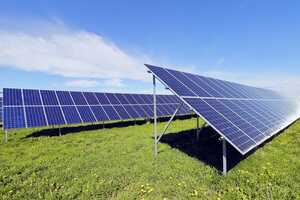




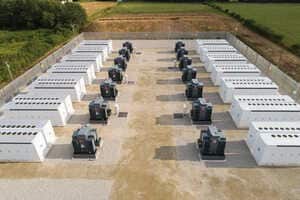

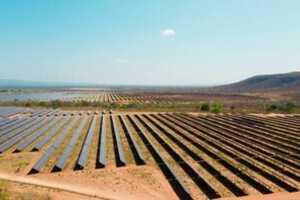
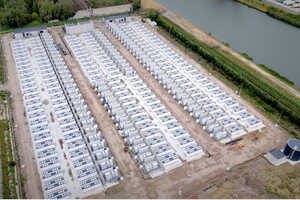





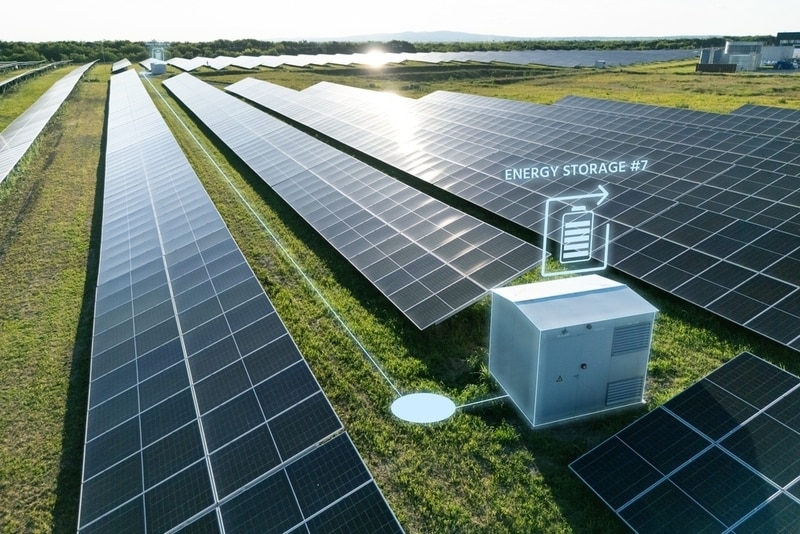
Shikun and Binui Energy describe their latest partnered initiative as a joint development to deliver 150 MW of photovoltaic capacity paired with battery energy storage in the Ashalim area, targeting increased local renewable generation and enhanced system reliability through dispatchable output. The partners frame the project as leveraging their complementary strengths in project origination, engineering, and construction to move the site through permitting, interconnection, and construction phases. Key project attributes include the scale of generation (150 MW), the inclusion of storage to support temporal alignment of supply and demand, and the strategic siting in a region with existing transmission access, which the partners identify as important for efficient grid integration.
From an implementation and stakeholder perspective, the partnership raises several practical considerations that will influence project outcomes. Permitting and environmental review, interconnection queue position, and the specific storage capacity and duration are material factors that will determine the project’s operational profile and value to the grid. Financial and contractual elements—such as offtake arrangements, revenue stacking (capacity, energy, ancillary services), and eligibility for any national or regional support mechanisms—will affect bankability and timelines. Operational risks include construction schedule adherence, supply‑chain constraints for modules and battery systems, and long‑term asset management requirements. For community and policy stakeholders, transparency on land use, local economic benefits, workforce engagement, and environmental safeguards (including habitat and water considerations) will be important to assess the project’s net contribution to regional decarbonization and energy access objectives. Continued disclosure of project‑level details—particularly storage specifications, expected commercial operation dates, and contractual structures—will be necessary to evaluate the partnership’s impact on Israel’s renewable energy deployment and grid resilience.