15 Ways Cities Are Tackling Air Pollution


Related Ideas













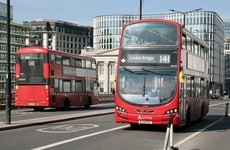
Cities around the world are accelerating their fight in tackling air pollution with a new wave of clean transportation systems, community engagement programs, and carbon-conscious infrastructure. From the bustling streets of London to the serene suburbs of Stockholm, the global urban landscape is being reimagined around air quality, sustainability, and public health.
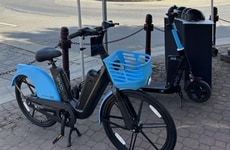
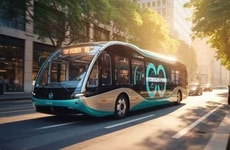
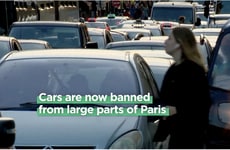
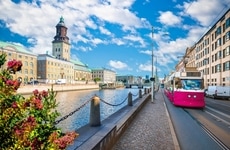
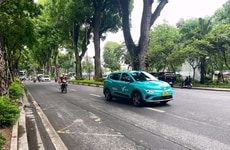
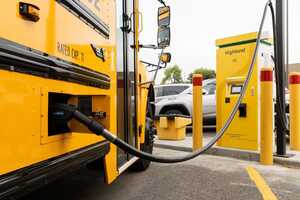
Transportation remains a cornerstone of this transformation. Scandinavian nations continue to lead the charge with examples like hydrogen electric bus fleets that drastically cut urban emissions. Similarly, electric taxi services and e-bike rideshare programs, like those featured in Hobart, Tasmania and The District of Saanich in Victoria, British Columbia, are expanding across major cities, offering convenient and accessible alternatives to fossil-fuel vehicles. In many dense metropolitan areas, car-free zones are also redefining downtown life, replacing congestion with walkability, cleaner air, and revitalized public spaces.
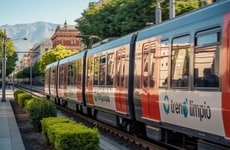
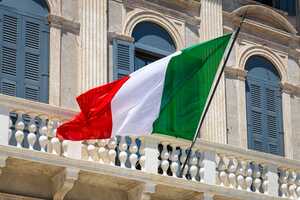
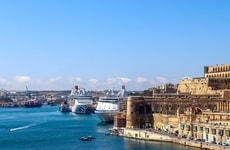
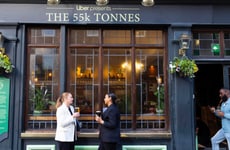
Infrastructure is evolving in parallel. The UK’s recently launched eco-conscious bus shelters incorporate solar panels and air-purifying green roofs, while light tail network expansions like the one launched in Mendoza, Argentina, are linking neighborhoods with low-emission mobility options. Additional examples, like Uber's 55k Tonnes carbon-negative pub popup, are capturing and repurposing CO₂ emissions from brewing, while efforts like the implementation of shore power technology at Valletta Cruise Port are steering maritime tourism toward cleaner fuels and better waste management.
Education and community action also play vital roles. Air quality awareness campaigns and educational clean cooking programs empower citizens to make informed choices, particularly in developing regions where household emissions are a major concern.
Together, these innovations represent a holistic, human-centered approach to urban air quality, one that blends technology, design, and civic participation. As cities embrace these sustainable urban developments, the air of the tomorrow will be the result of a collective progress and effort toward a more sustainable future.